07
Sep

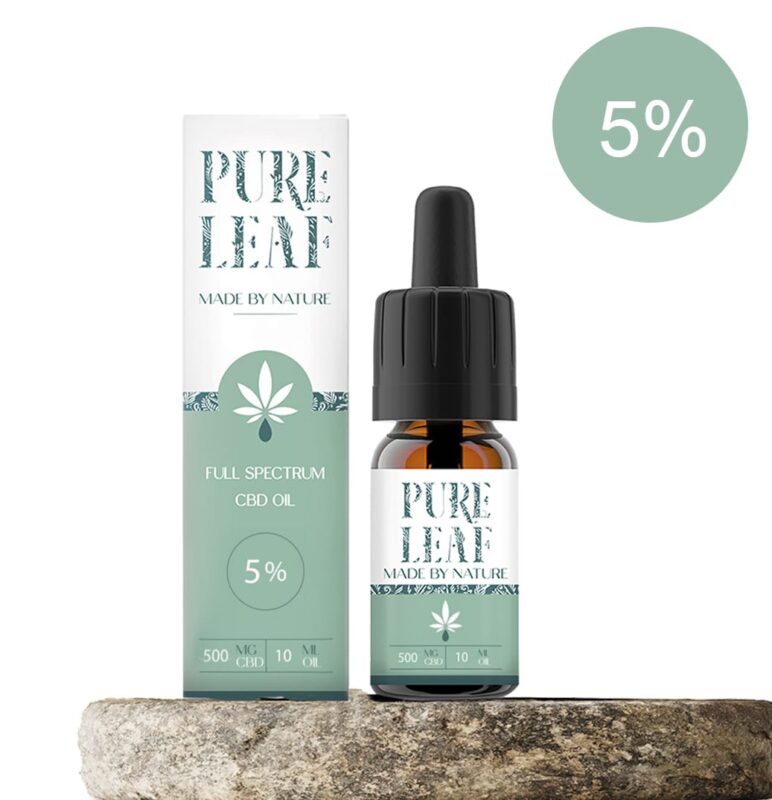
Pure Leaf 5% CBD Oil
€ 25,00
Discover now CBD Pure Leaf. Developed to optimize your daily well-being and sourced from hemp grown in Europe to the highest quality standards, our CBD oil is based on an organic CO2 extraction process to ensure the preservation of all potentially beneficial active components for the body. Our CBD oil, available in proportions ranging from 5 to 30%, is a Full Spectrum oil, offering a full spectrum of natural components for optimal performance.
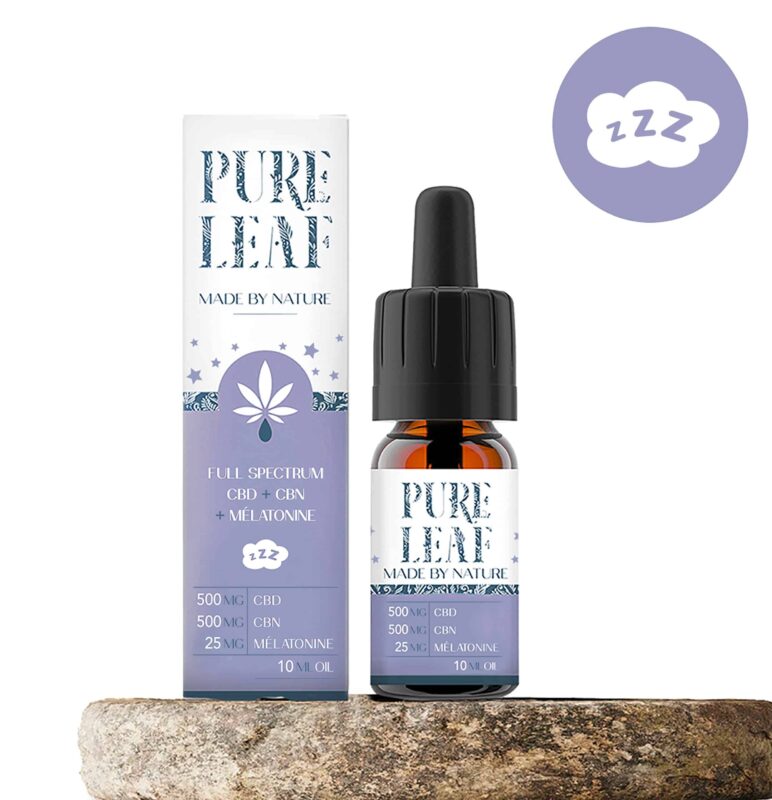
CBD + CBN + Melatonin Restorative Sleep Oil – Pure Leaf
€ 59,00Canna-House CBD, CBN and Melatonin Oil is an innovative solution to improve the quality of your sleep. This unique formula combines the benefits of CBD, CBN and melatonin to give you peaceful, rejuvenating nights. Developed using the same processes as all Pure Leaf oils, its manufacturing processes are rigorous and its effectiveness optimal! The latter is available in a single concentration, designed to deliver the most convincing results possible in terms of improved sleep onset and depth of sleep.
-25%
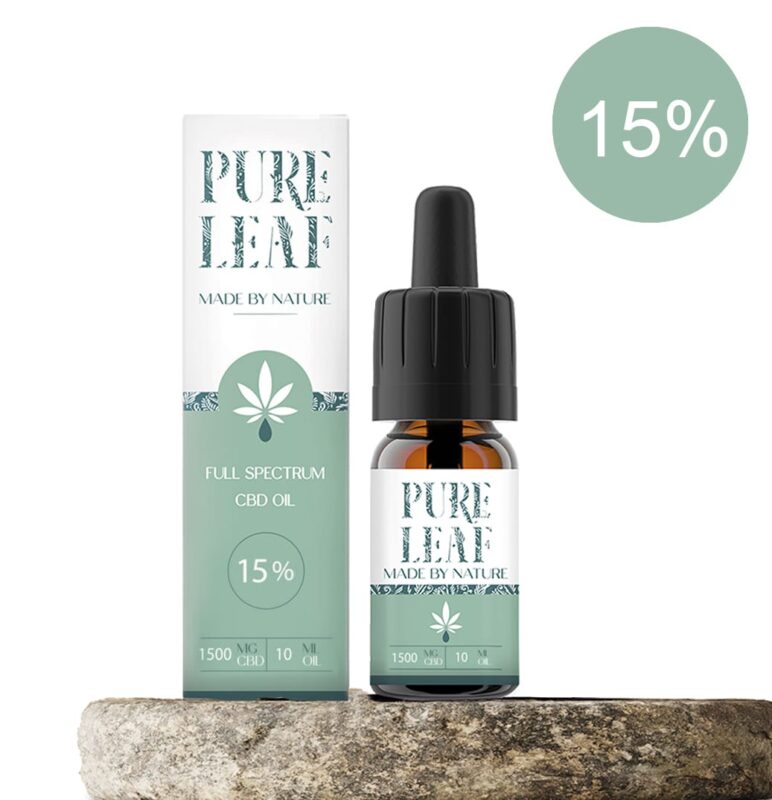
Pure Leaf 15% CBD Oil
Original price was: € 55,00.€ 41,25Current price is: € 41,25.
Discover Pure Leaf CBD oil today. Crafted to optimize your daily well-being and sourced from hemp grown in Europe according to the most rigorous quality standards, our CBD oil relies on an organic CO2 extraction process to ensure all active compounds beneficial to the body are preserved. Available in concentrations ranging from 5% to 30%, our Full Spectrum oil offers a complete profile of natural components for maximum efficacy.
Pure Leaf 5% CBD Oil
€ 25,00
Discover now CBD Pure Leaf. Developed to optimize your daily well-being and sourced from hemp grown in Europe to the highest quality standards, our CBD oil is based on an organic CO2 extraction process to ensure the preservation of all potentially beneficial active components for the body. Our CBD oil, available in proportions ranging from 5 to 30%, is a Full Spectrum oil, offering a full spectrum of natural components for optimal performance.
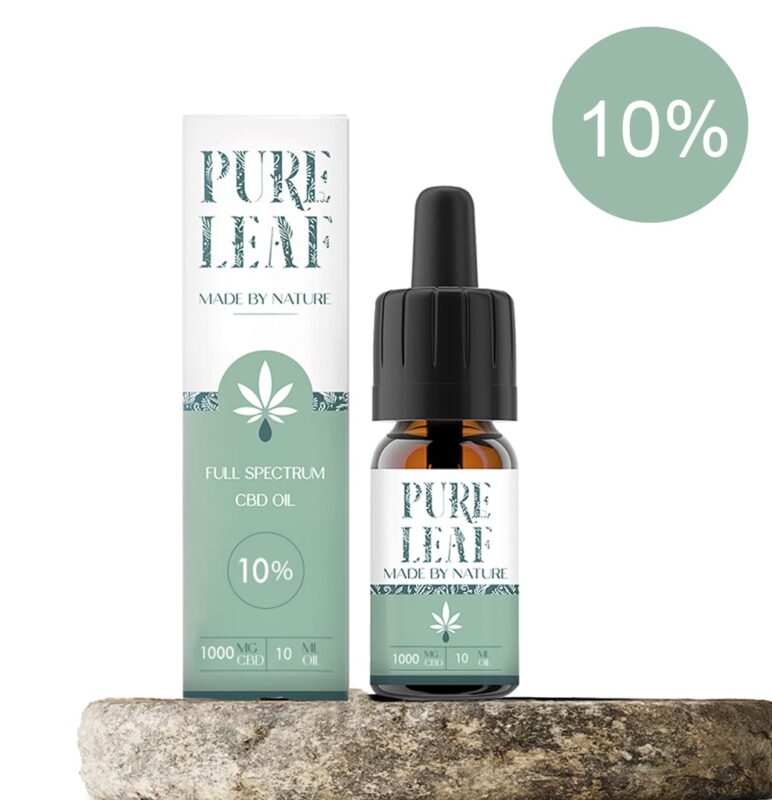
Pure Leaf 10% CBD Oil
€ 39,00
Discover now for CBD Pure Leaf. Developed to optimize your daily well-being and sourced from hemp grown in Europe to the highest quality standards, our CBD oil is based on an organic CO2 extraction process to ensure the preservation of all potentially beneficial active components for the body. Our CBD oil, available in proportions ranging from 5 to 30%, is a Full Spectrum oil, offering a full spectrum of natural components for optimal performance.
-25%
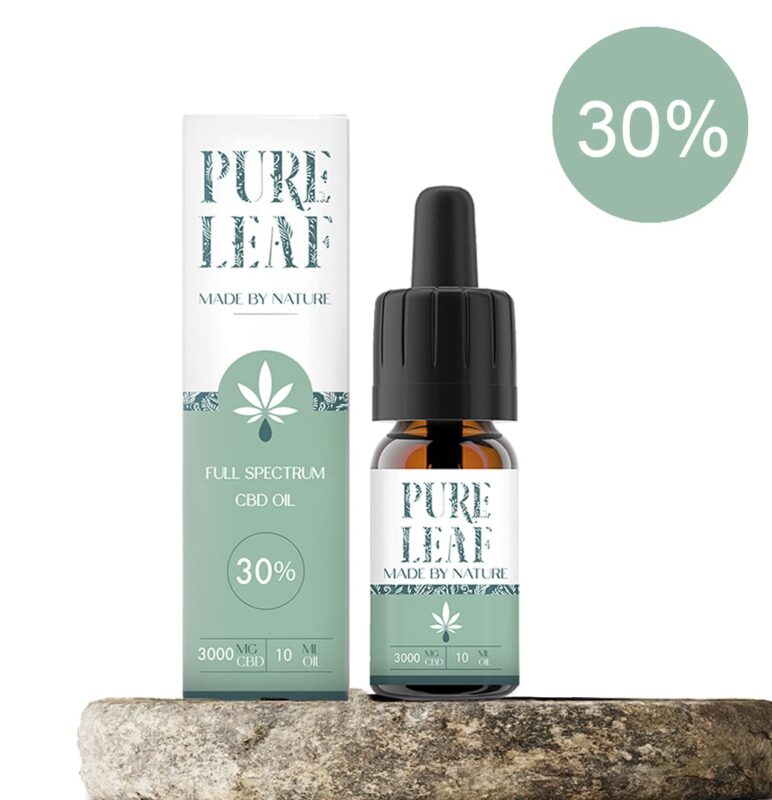
Pure Leaf 30% CBD Oil
Original price was: € 95,00.€ 71,25Current price is: € 71,25.
Discover now CBD Pure Leaf. Developed to optimize your daily well-being and sourced from hemp grown in Europe to the highest quality standards, our CBD oil is based on an organic CO2 extraction process to ensure the preservation of all potentially beneficial active components for the body. Our CBD oil, available in proportions ranging from 5 to 30%, is a Full Spectrum oil, offering a full spectrum of natural components for optimal performance.
-25% Hot
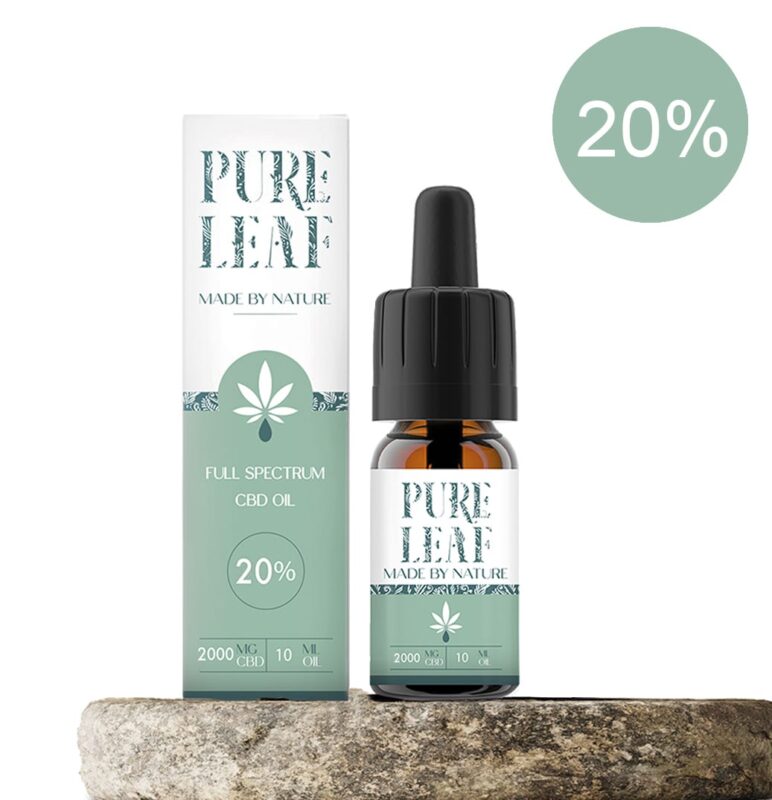
Pure Leaf 20% CBD Oil
Original price was: € 70,00.€ 52,50Current price is: € 52,50.
Discover now CBD Pure Leaf. Developed to optimize your daily well-being and sourced from hemp grown in Europe to the highest quality standards, our CBD oil is based on an organic CO2 extraction process to ensure the preservation of all potentially beneficial active components for the body. Our CBD oil, available in proportions ranging from 5 to 30%, is a Full Spectrum oil, offering a full spectrum of natural components for optimal performance.
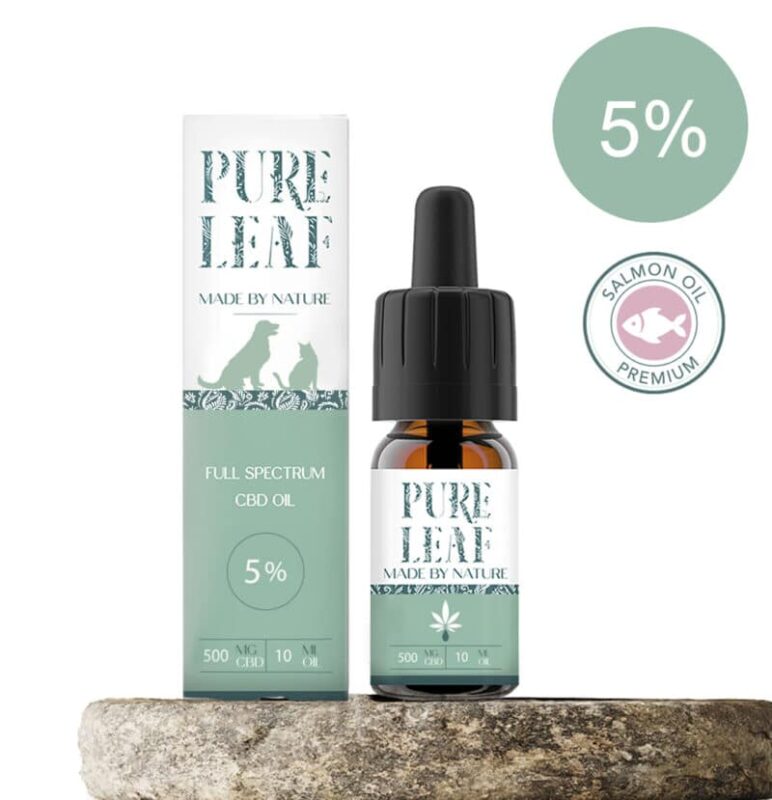
CBD Oil for Pets
€ 25,00
Pure Leaf CBD oil for pets (mainly cats and dogs) is made with salmon oil for your pet’s ultimate enjoyment. Organic CO2 extraction ensures all the CBD oil’s compounds are preserved, along with its effectiveness. Pure Leaf pet oil contains 5% CBD. It’s 100% natural and made using processes that respect the plant and its environment.
CBD + CBN + Melatonin Restorative Sleep Oil – Pure Leaf
€ 59,00
Canna-House CBD, CBN and Melatonin Oil is an innovative solution to improve the quality of your sleep. This unique formula combines the benefits of CBD, CBN and melatonin to give you peaceful, rejuvenating nights. Developed using the same processes as all Pure Leaf oils, its manufacturing processes are rigorous and its effectiveness optimal! The latter is available in a single concentration, designed to deliver the most convincing results possible in terms of improved sleep onset and depth of sleep.

Prof. Dr. Kent Sport CBD Gel 100ml
€ 35,00
The Prof. Dr. Kent Sport CBD Gel 100ml is a sports massage gel specially designed to relieve tired muscles and joints after intense physical activity.
Made with 100% natural ingredients, this CBD gel provides a soothing, relaxing hot/cold effect for optimal recovery.
Contains carefully selected active ingredients, such as full-spectrum hemp extract (Cannabis sativa L.), menthol, chili extract, clove essential oil and eucalyptus essential oil. Thanks to the effect of its high-quality ingredients, the gel provides a sensation of freshness and then warmth. Contains a total of 1100 mg of CBD. Vegan.

Dr.Kent CBD Glucosamine 100ml
€ 35,00
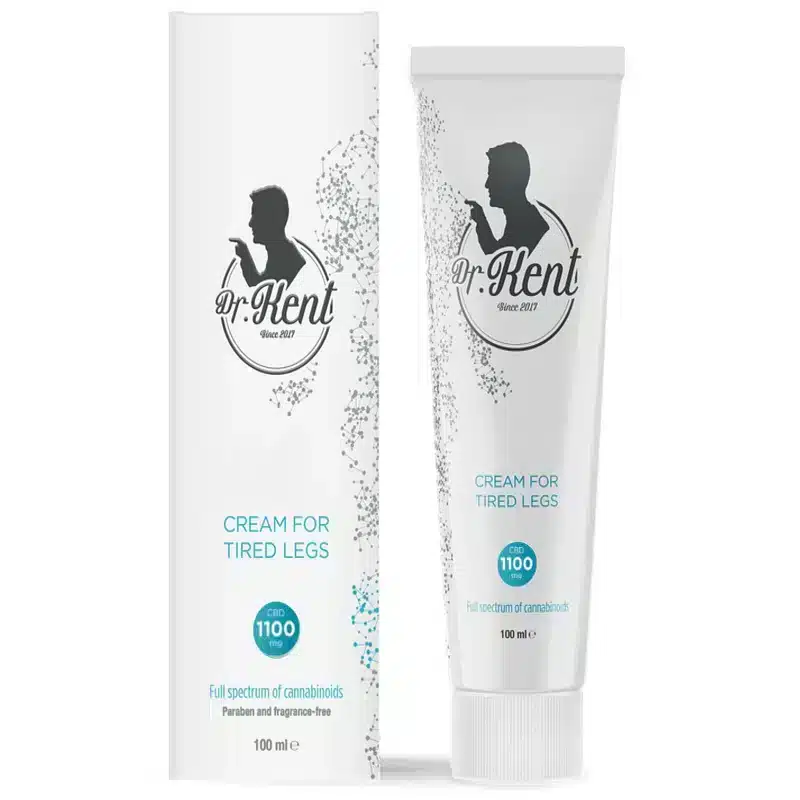
Dr.Kent CBD Tired Leg 100ml
€ 35,00
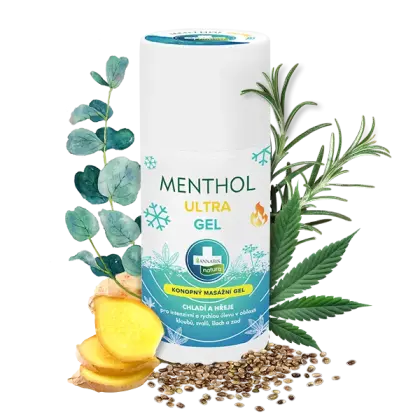
Menthol Ultra Gel – Annabis
€ 15,00
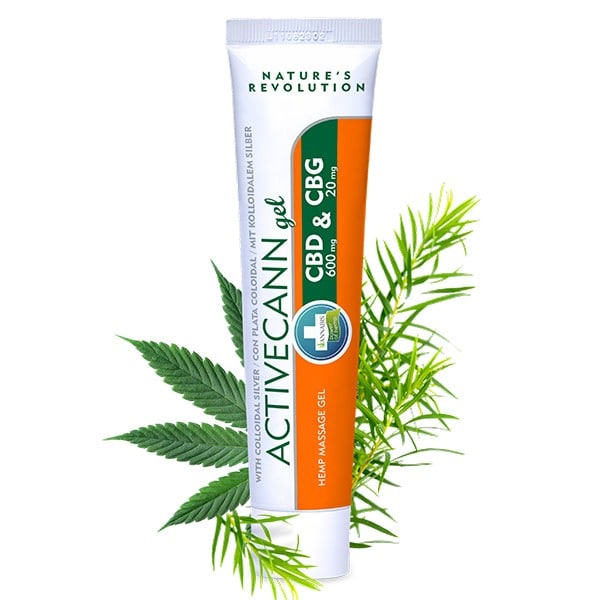
Activecann CBD+CBG Gel – Annabis
€ 18,00
ACTIVECANN gel returns with an innovative formula that incorporates CBD and CBG, adding a new dimension to its already highly innovative and successful composition. The latest combination of CBD and CBG is ideal for specific massage of muscles and joints, as well as tendons and the back. Made from natural oils and plant extracts, it offers fast, effective relief.
Sold out
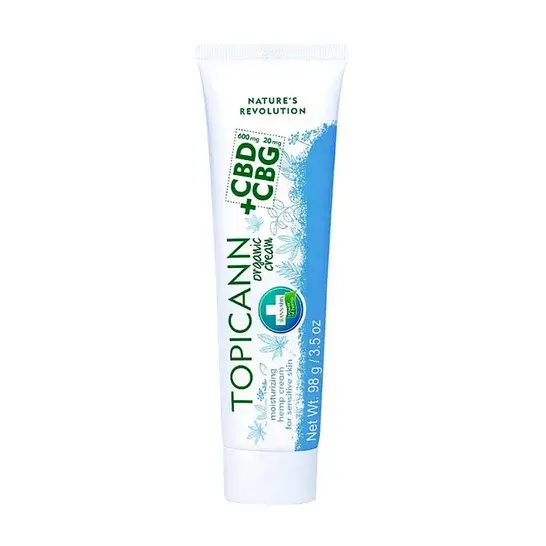
Topicann CBD+ CBG – Annabis
€ 18,00
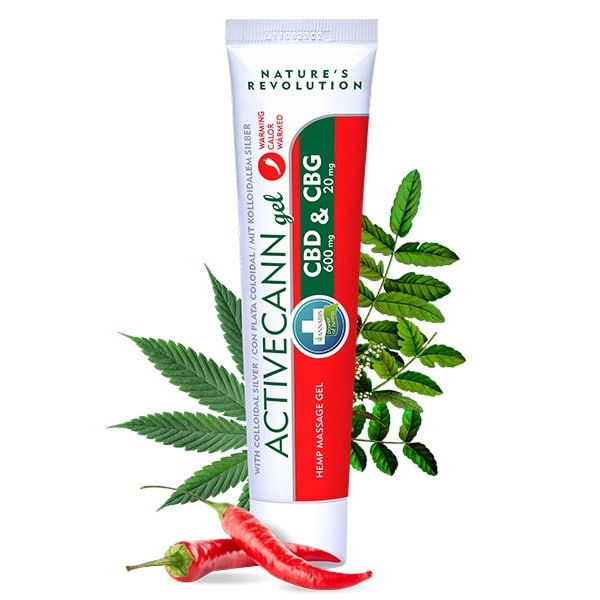
Activecann Warming Gel CBD + CBG – Annabis
€ 18,90
Discover our Activecann Warming Gel, containing a high concentration of CBD (600 mg) and CBG (20 mg), to provide deep, natural relief.
This unique gel combines organic hemp seed oil with active ingredients such as camphor, tea tree oil and red pepper extract, delivering a soothing sensation of warmth. Perfect for massaging muscles and joints, this warming gel is ideal for athletes and anyone seeking instant comfort in sensitive areas.
Posts

PAX Flow vs PAX Four vs PAX Mini: The Complete Guide
Discover our guide to choosing between the PAX Flow, PAX Four, and PAX Mini herb vaporizers

CBD Flowers in Italy: What is the Court of Cassation Really Changing?
The Italian justice system is regulating the seizure of CBD flowers without legalizing them. Here is what the decision actually says and what it changes in France.

CBD for Osteoarthritis: Myth or Scientific Reality?
Here’s what science really says about using CBD for joint pain and osteoarthritis.

How to choose your CBD e-liquid?
Discover what a CBD e-liquid is, its legality in France in 2026, how to choose it and use it with complete peace of mind.

Complete guide to the Storz & Bickel Veazy vaporizer
Discover the Veazy, the most affordable herb vaporizer from Storz & Bickel.

Complete CBD E-liquid Guide 2026
How to choose your CBD e-liquid for vaping? Discover our complete practical guide.